
Nintendo needs to bring back Animal Crossing’s weirdness
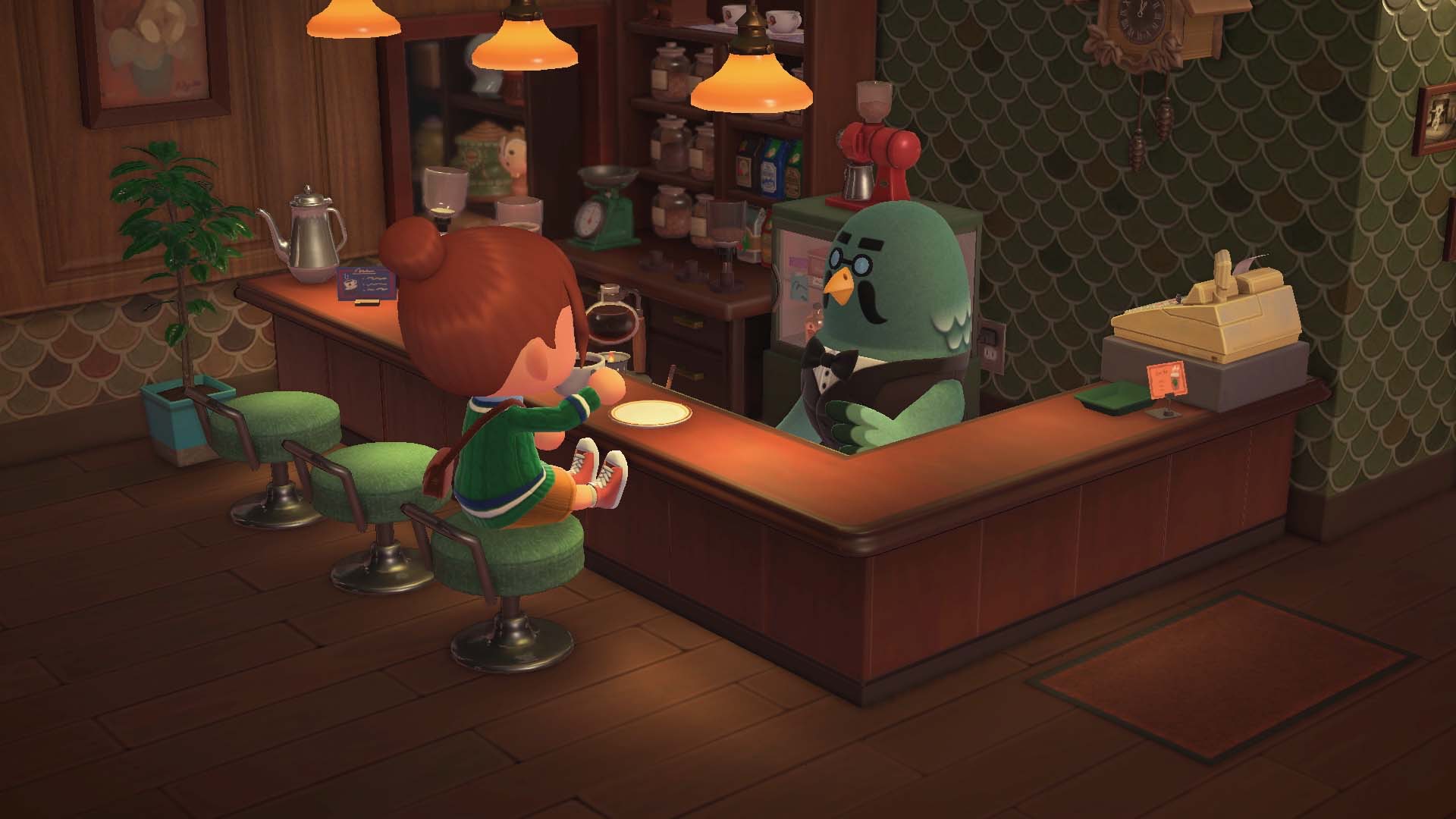
Today, we’re talking about how the next Animal Crossing could shake up its characters and art style and return to its roots by taking cues from the original GameCube title.
Animal Crossing: New Horizons sold nearly 50 million copies on Nintendo Switch. It’s safe to say the game’s release in March 2020 became a cultural phenomenon of sorts, and it’s elevated the series as a whole to become one of Nintendo’s most popular franchises. That said, despite this popularity, we haven’t seen or heard anything much about Animal Crossing other than the Nintendo Switch 2 Edition for New Horizons – indeed, it takes a very long time to develop an all-new entry. Given how popular New Horizons was on Nintendo Switch, it’s safe to assume a sequel is in development for Nintendo Switch 2. It’s just a matter of when we’ll see it announced.
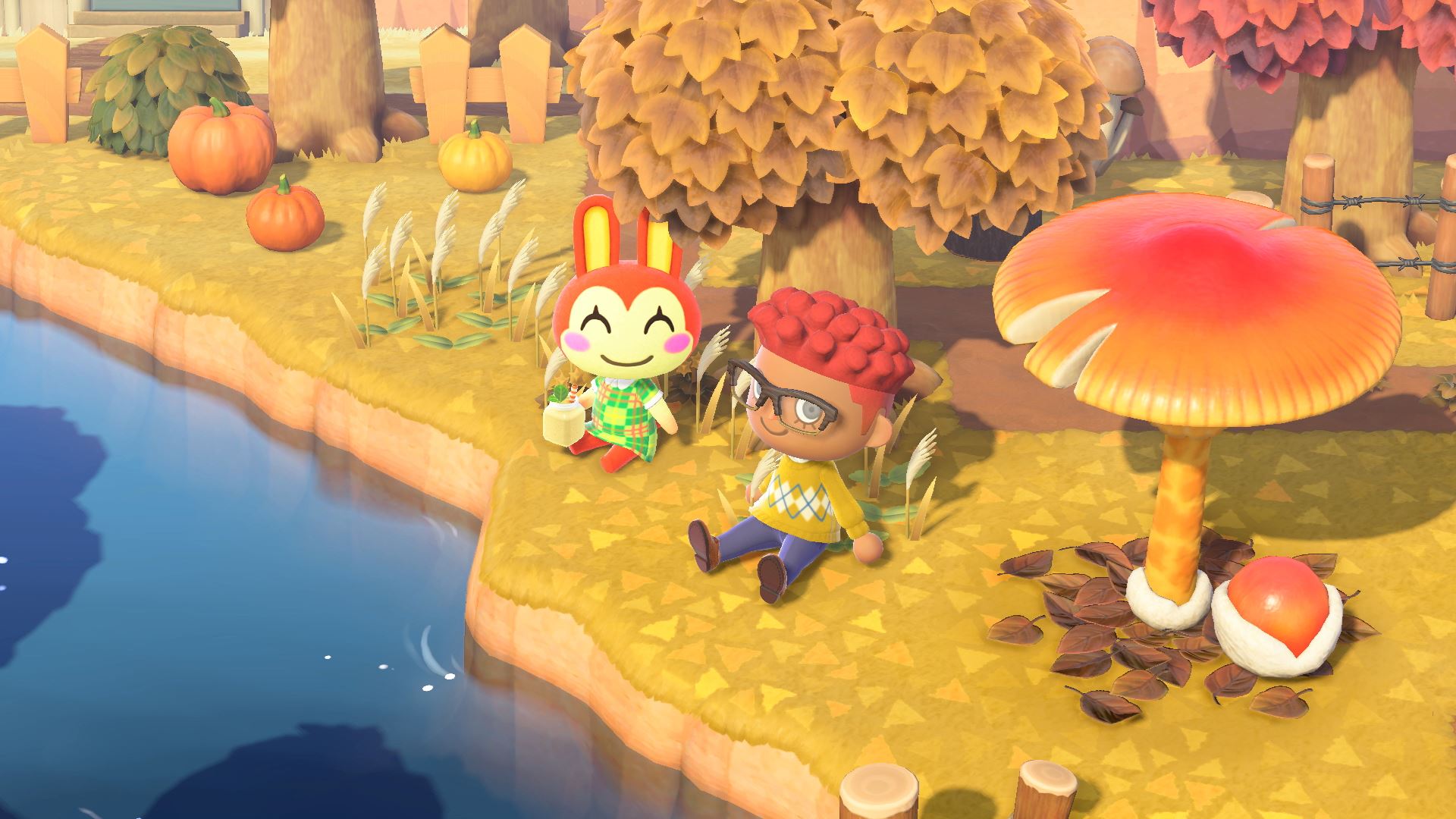
In many ways, New Horizons moved the franchise forward – you’ve got Island Designer, tons of customization options, and a renewed focus on home design. For creative players, this focus on customization creates many opportunities for self-expression – not to mention that it also encourages fans to show off their beautiful house and island builds on social media. Unfortunately, Animal Crossing’s doubling down on customization has come at a cost – the game isn’t weird anymore. If you open up Animal Crossing on the GameCube, you’ll immediately notice a very specific vibe that New Horizons completely lacks. For one, the game is harsh – you’re the only human in a town full of animals, and you’re all on your own at first. Villagers aren’t necessarily friendly to you from the get-go, and you actually have to earn your trust with them. It’s got this wonderfully lonely yet vaguely hopeful vibe – the feeling that you’re starting with next to nothing, but that things will get better with each passing day of gameplay. In New Horizons, villagers are friendly at all times, and there isn’t really a sense of progression or “getting to know them” like there was in the original game. The only progression you can really make with villagers in New Horizons is the ability to eventually get their picture as an item when your friendship is high enough.
If you play New Horizons without time travel, you’ll have roughly two or three weeks of unique in-game content until the credits roll. In that way, you do gain a sense of accomplishment by building up and decorating your island over time. But the original Animal Crossing’s vibe is more so making social progress than visual progress, if that makes sense – over time, villagers slowly warm up to you. And then, when you’ve finally become good friends, they’ll sometimes randomly move away and leave you a goodbye letter. You could argue that that’s really sad and completely unreasonable as a game mechanic – and that’s fair. But this cycle of befriending a character and then being sad when they’re gone has been completely lost in New Horizons. In previous titles, it was very inconvenient when your favorite villager moved away without notice – I’m not necessarily saying we should bring that back, but that feeling of back-and-forth is part of what made Animal Crossing so unique. It was like a little story with all sorts of little dramatic events, whereas most players’ islands in New Horizons are completely stagnant and exactly the same every day. There’s obviously plenty of room for the next Animal Crossing to improve on its villagers, and I only really scratched the surface of the exact changes I would want to see.
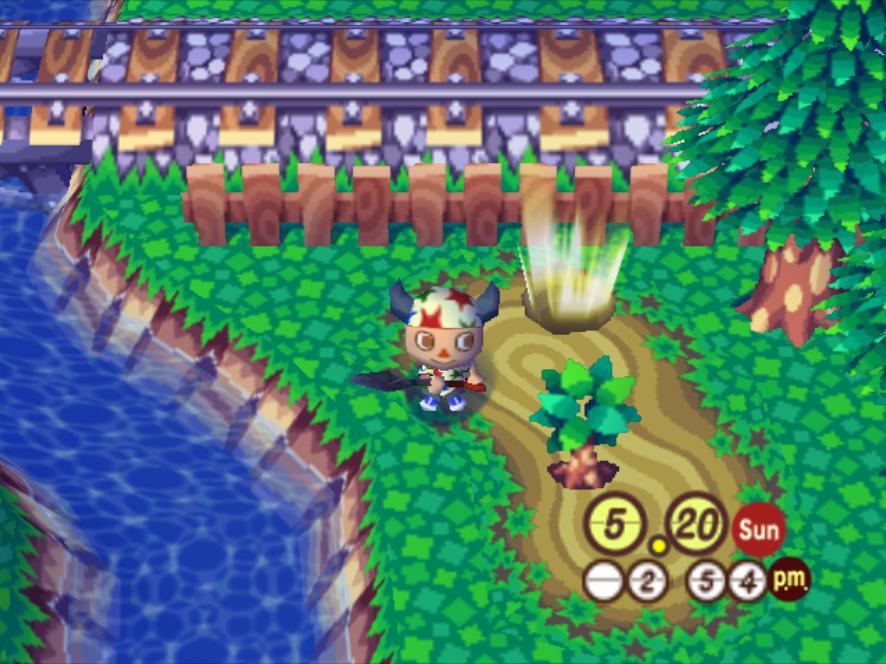
The Switch 2 era has just begun, and already it’s easy to see that it’s encouraged Nintendo to visually rethink its characters. Mario Kart World’s art style looks like a 3D version of the official 2D artwork for the series, while Donkey Kong’s new design is based on how he looked prior to the release of Donkey Kong Country. In other words, both have sort of returned to their roots. Animal Crossing could absolutely do the same! New Horizons’ art style is fairly simple, but it’s solid – it’s perhaps carried by its lighting, but there’s an incredible attention to detail within. That being said, it’s not perfect – if you take a look at a screenshot of New Horizons versus the original title on GameCube, you can very quickly see a stylistic difference beyond the graphical capabilities of both systems. Special thanks to Animal Crossing World for the picture of the GameCube version, by the way!
With New Horizons, the grass and trees look fairly simple. Their textures are muted during most seasons, and while they do look good, they’ve lost a specific essence they had in the original game. The GameCube title’s grass isn’t muted at all – it’s full of extremely bright shapes (which are randomly chosen on town generation) that make it look very uniquely Animal Crossing. That trait extends to the plants and trees, too – the texture of the tree bark in the original Animal Crossing is really unique as well, with bright rings and dark patches. Looking at the original Animal Crossing, you can take a quick glance at the grass and trees and say “that’s definitely Animal Crossing”, whereas with New Horizons, it’s more like “that’s a nice-looking island simulator game”, if that makes sense. For the next Animal Crossing, it’d be really interesting to see an HD take on the original title’s art style. It doesn’t have to be as bright and in-your-face as the original game’s graphics were, but something along those lines could really help set the next Animal Crossing apart from the rest.
This all leads into my main point here: as time has gone by, Animal Crossing has slowly but surely lost its weirdness. Weirdness might not be the exact word I’m looking for here, though – maybe “uniqueness” is more like it. One really good example of this is Gyroids: in previous titles, Gyroids were kind of unappealing and ugly, and for the most part you would never see them placed in people’s houses. Some of the Gyroid designs were off-putting, especially in the GameCube game. In New Horizons, all of the Gyroids have been redesigned, and they’re now cute little guys that better fit the direction New Horizons has taken the series in. Another example is Mr. Resetti, who was essentially removed from New Horizons entirely outside of cameos in The Roost and the island rescue service. In other words, everything in Animal Crossing that was off-putting, mean, or sad has been removed. Again, I’m not advocating for some super depressing and harsh sequel where everybody is constantly mean – but I do feel like putting a little bit of that back in the series would help it feel fresh and unique. More importantly, however, it would make your town or island feel more alive. As I mentioned earlier, most days in New Horizons feel pretty much the same. Having some good days and some bad days is what Animal Crossing is all about, in my opinion, and I’m hoping the next game brings some liveliness back to the town in ways that New Horizons couldn’t.
Do you agree with my takes here? Has Animal Crossing lost a small piece of itself over time, or do you feel like that’s not true? Let us know in the comments down below.


