
Pokemon Pokopia review for Nintendo Switch 2
System: Switch 2
Release date: March 5, 2026
Developer: Koei Tecmo
Publisher: Nintendo
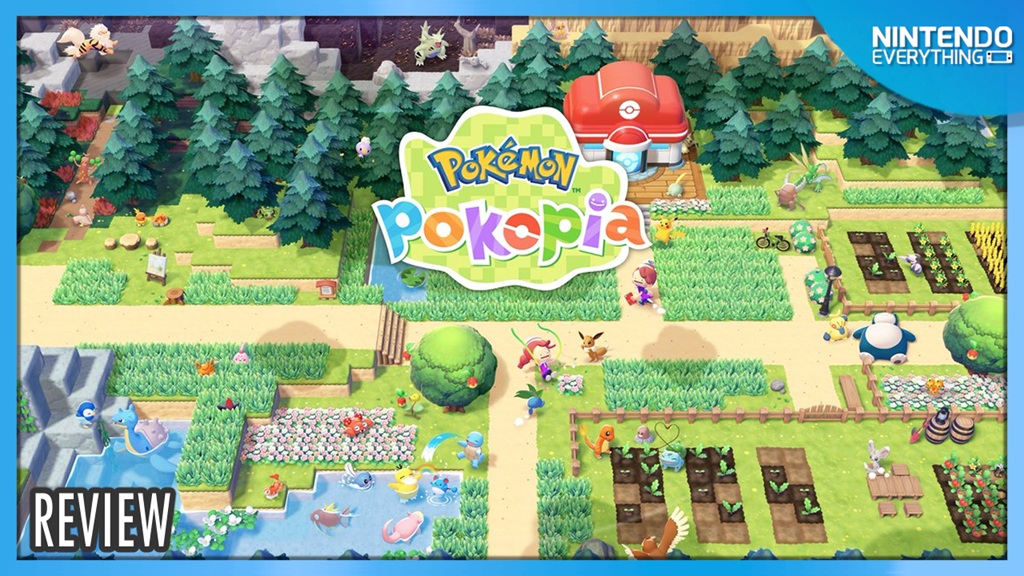
As someone who loves Pokemon, Animal Crossing, and Minecraft, Pokemon Pokopia sneaked its way onto my radar when it first revealed in the September 2025 Nintendo Direct. On paper, this had a chance to be Nintendo’s lightning in a bottle – Pokemon, Animal Crossing, and Minecraft are some of the best-selling franchises of all time, and Pokopia promised to combine elements from all three to create the next big life simulator game. It’s strange, though – the game always looked charming and interesting on the surface, but I never found myself hyping up its release. I didn’t see a ton of hype online, either – most likely, none of us really knew what we were getting into. Pokemon fans are always hopeful that the latest game is a good one, and often times they find themselves disappointed with major releases like Sword, Shield, Scarlet, and Violet. I myself was cautiously optimistic going in… which is to say, I already have 50 hours, it’s completely consumed my life, I can’t imagine life without it, and this is the Switch 2 system seller Nintendo has been looking for.
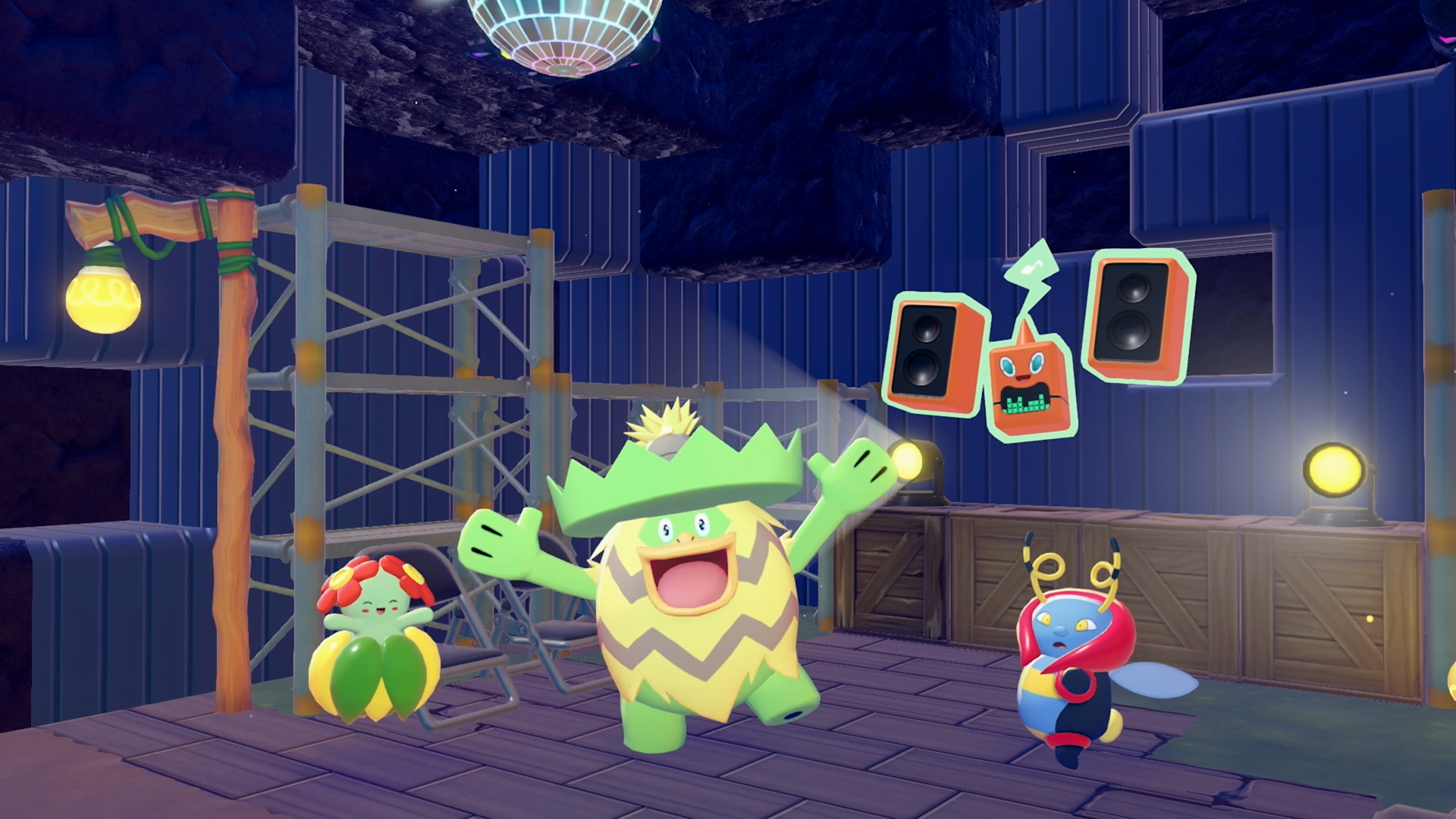
If you’re a big Nintendo fan, you’ve probably played The Legend of Zelda: Breath of the Wild. Part of what made that game so special, open world aside, was the quiet sadness of its world. Something terrible happened in Hyrule decades ago, and you’re left to explore its crumbling remains. Despite being a cheerful, cozy life simulator, Pokemon Pokopia actually starts in the same way. The player, a Ditto who misses its trainer, awakens in a barren and desolate world all by itself and is tasked with restoring other Pokemon by enticing them with unique habitats. No one knows what happens to all of the humans – but they’ve disappeared, and it seems they’ve been gone for many years by now. Indeed, much of Pokopia’s early soundtrack produces a surprisingly somber atmosphere, and as you learn crafting recipes, befriend Pokemon, and build up your towns, the music slowly shifts to become happier and more energetic. It reminds me of Animal Crossing: New Horizons’ opening sequence – except better, to be honest, because Pokopia does have an overarching story with plenty of unsolved mysteries. It’s nothing terribly deep, but the plot is more present in Pokopia than a good chunk of the main series games. It all sounds a bit depressing, and certainly, many story elements as well as journal scraps you’ll find really do make you stop and think – but on the contrary, Pokemon Pokopia actually preaches a message of hope and rebuilding. And it’s not done in an overly cheesy “power of friendship” way, either – Pokopia is subtle, and that’s something we’ll circle back to in just a bit.
The first thing you’ll notice about Pokemon Pokopia is its striking art style. Just like Minecraft, everything is square, which means this game has a huge amount of building potential. You can make houses with unique and varied roofs and windows, giant pixel art, underground bunkers – anything you can think of, really. Pokopia has a ton of furniture and crafting recipes already, and this is the base game – one huge advantage it has over Animal Crossing: New Horizons is that the game feels complete on launch. With many of Nintendo’s Switch-era multiplayer games, they’d release and players would immediately notice a lack of content and start wondering when the updates were coming. At launch, Animal Crossing: New Horizons had about two weeks’ worth of content – and then after that, it fell off hard and struggled with a whole lot of nothing for players to do. So far, I’ve played 50 hours of Pokemon Pokopia without time traveling – because even though building houses and cottages does take real-world time (the game also follows your system clock), I haven’t personally felt the need to advance time. Pokopia keeps you busy with creating new habitats for Pokemon – for example, Charizard likes tall grass and Metang wants a computer setup with a whiteboard. You earn habitat hints throughout the game, and your goal is to keep all these Pokemon happy by giving them houses that are to their liking. Some Pokemon like humidity, or extra brightness, or want a toy in their room to play with. Meet enough of their goals, and your town’s environment level will go up. There are several different towns in different areas to build up, and each has their own separate environment level plus a separate roster of Pokemon to meet (though you can transfer them between towns if you like).
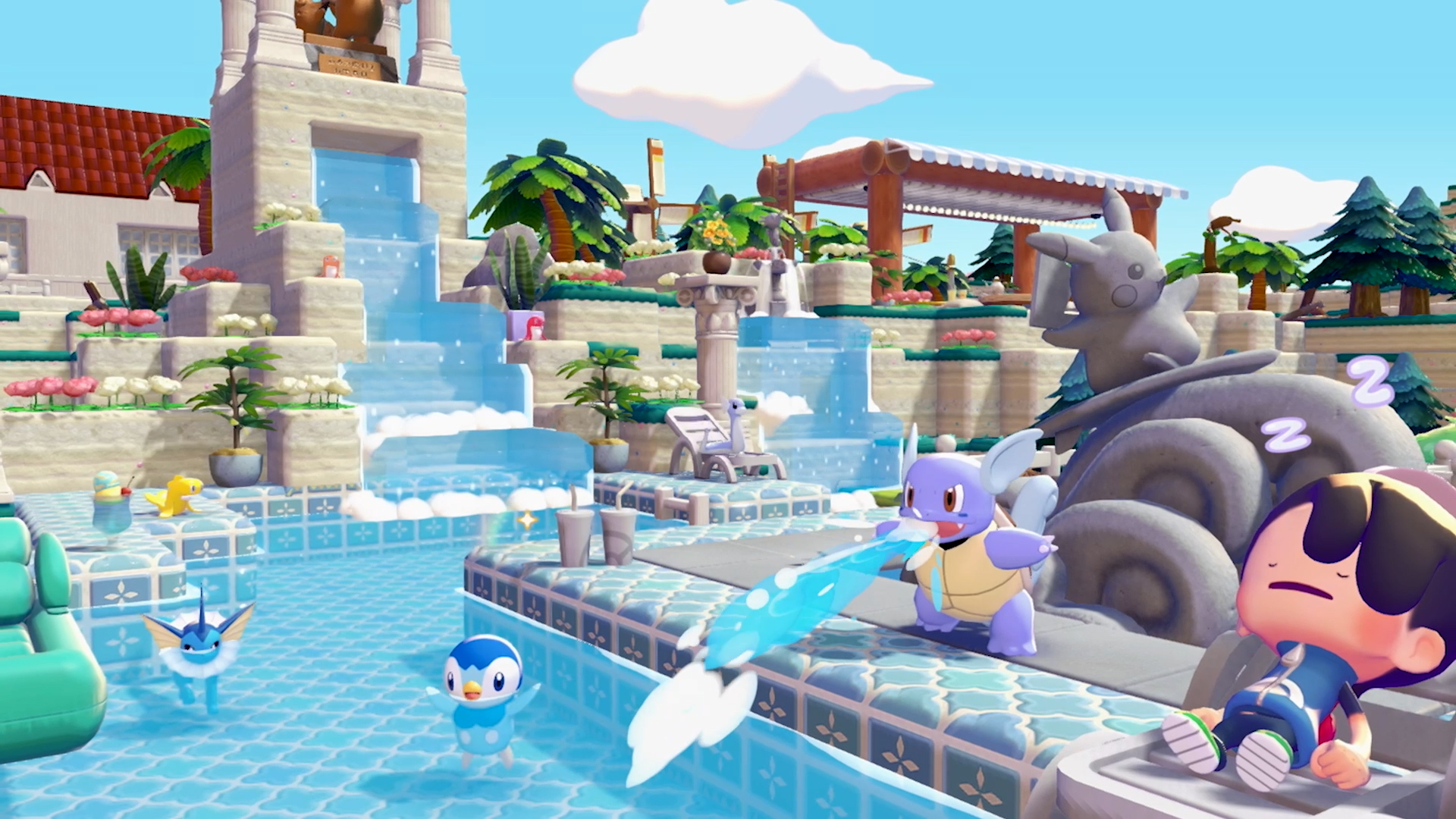
Pokopia’s gameplay loop may sound simple – creating habitats, decorating environments, searching for materials, and the like – but the game is so polished and well-thought-out that it actually becomes dangerous. “I’ll play for 10 more minutes” easily becomes another two hours before you even realize. Even the most basic of tasks is somehow addicting, and there are so few restraints on decorating your island that you’re pretty much given the reigns to design as you like right from the get-go. In Animal Crossing: New Horizons, it felt like you were constantly battling the game when it came to decorating outdoors – trees can’t go on cliffs, there are all sorts of limitations on where you can and can’t put water and bridges, and though it was more than possible to make good-looking islands, it always felt like you had to work around the limitations of the game. With Pokopia, almost everything you could possibly want is possible. There are elevators, waterwheels, electricity, minecart rails, and more – the developers thought of almost every possible thing a player could want for their town. All of these systems are fully fleshed out, too, and easy to understand and plan. The game introduces these new elements slowly over time, and never in a way that feels overwhelming or condescending – you’d expect there to be more tutorials, but these are almost all optional and accessed by talking to Professor Tangrowth, who serves as your buddy and mentor of sorts.
Indeed, Pokopia is also subtle about its tutorials. You’ll often come across ruined houses and structures, which give you wordless hints on how you should be building your own creations. I can’t state how perfect the balance is here – Pokopia loves giving you bits and pieces of your objective, and letting you put them all together yourself. It makes things feel much more satisfying than if the game straight-up told you where to go and what to do at all times. You can spend hours just exploring the world – there are plenty of pre-generated areas to look through, and they all contain helpful items and crafting recipes as well as journal scraps and logs that give more context as to what happened to make all the humans disappear.
Playing as a Ditto is also absolutely genius. As mentioned earlier, Ditto remembers its trainer from before the big disaster happened and split them apart, and so it takes on its trainer’s form at all times. Throughout the game, you’ll meet Pokemon who share their abilities with you. Ditto eventually learns how to spit water, grow plants and vines, destroy blocks, swim, and much more – it’s an incredibly creative idea for a player character, and these abilities wind up seamlessly integrating themselves into gameplay. The only issue I really have with the game in general is that aiming to place and destroy blocks can be kind of finicky. There’s actually a built-in mouse mode for Joy-Con 2, but I actually found this a bit finicky as well. So you do have to take building a little bit slow, but it’s nothing game-breaking or that bad at all. At present, that’s really the only notable flaw I can identify with Pokemon Pokopia. Of course, the life simulator genre won’t be for everyone, but to make this simple: if you like Animal Crossing or Minecraft and Pokemon, this is a must-play.
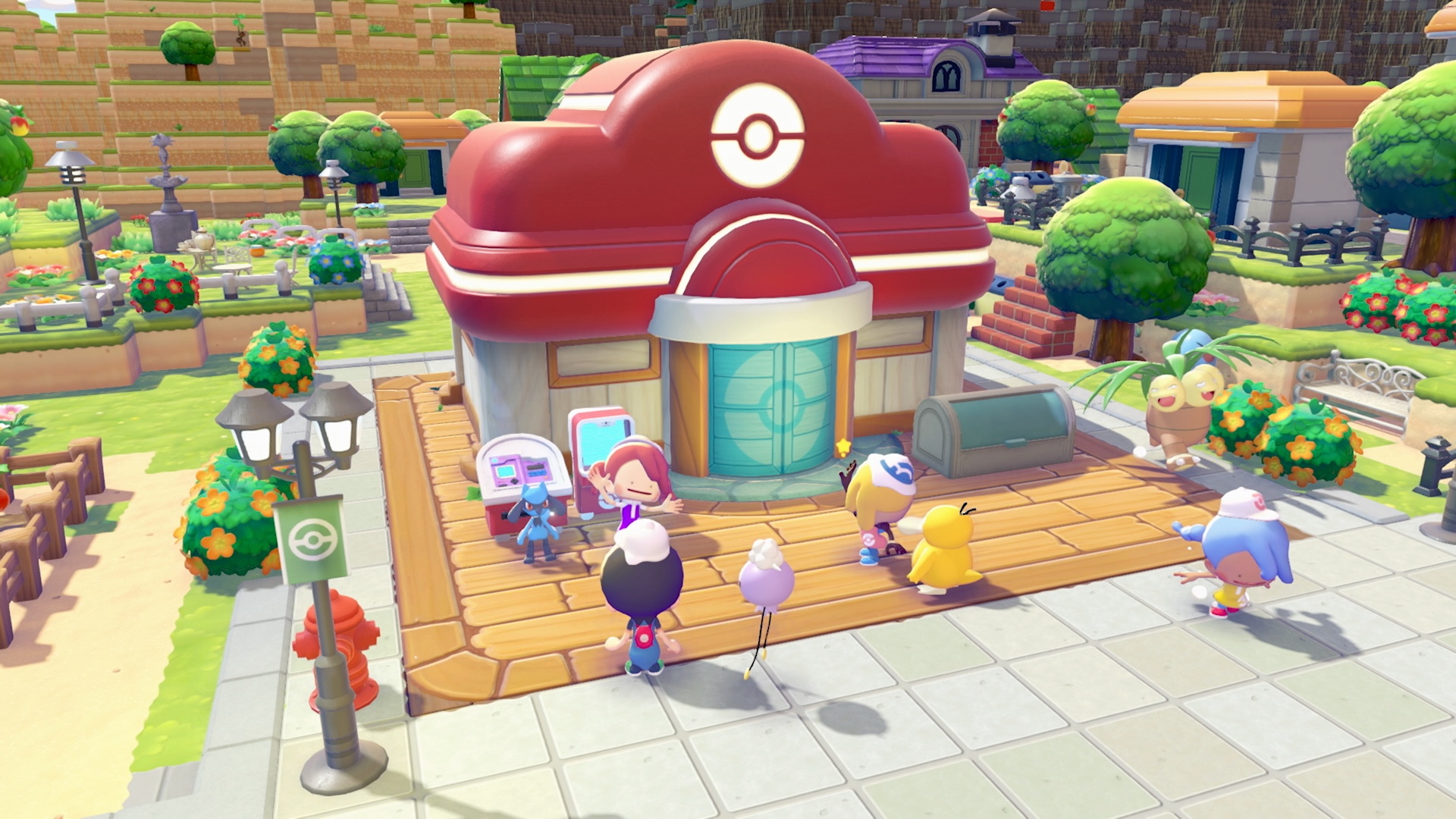
I’m bringing up Animal Crossing: New Horizons a lot in this review, but I do think it’s the most fair comparison for Pokemon Pokopia. And another way Pokopia totally eclipses New Horizons is its multiplayer. In New Horizons, every time a player comes to visit your island, you’re forced to stop and watch a two-minute cutscene. Given that Nintendo Switch 2 islands can support twelve players, this would entail watching over twenty minutes of cutscenes every time you wanted a full island (if you can even find that many players to visit all at once). In Pokemon Pokopia, players travel to and from your town in the background without interrupting your gameplay. There are actually incentives to invite other players over, too – they can purchase items from your Pokemon Center’s PC, and the selection is different for each person every day. You can also inspect habitats at other players’ islands to learn those hints yourself. There are also Cloud Islands, which let you build your very own town from scratch with the help of other players. More importantly, they remain active at all times, and you can actually hop on and do some building even if your friend isn’t around at the time. There’s still not a ton to do when you invite players over to your actual town, but the multiplayer in Pokopia puts Animal Crossing’s to shame and then some. In general, I feel like Pokemon Pokopia has actually taken over Animal Crossing’s niche – the next game is going to have to be very, very good, because it’s got some very serious competition now.
And none of this is even mentioning the Pokemon themselves, which all have unique dialogue, likes, dislikes, and personalities. Every Pokemon speaks in its own sort of tone, which is extremely impressive given that there are well over 200 creatures present in the game. I do think a few of them say “yooo” a little too often, but self-expression in Japanese is far easier than in English (though I’m not even close to an expert on the matter). This means you’ll find yourself warming up to random Pokemon you never thought you’d enjoy – a lot of them are first and middle-stage evolutions, which otherwise don’t get anywhere near as much time to shine in main series Pokemon games. And although Pokemon Pokopia does take place in Kanto, it doesn’t really feel like Kanto-pandering nostalgia bait or anything like that. Sure, there are plenty of Kanto Pokemon present in the game, but there are even more from other regions present here as well, including from Galar and Paldea.

Pokemon Pokopia is an incredibly easy recommendation, and is up there alongside Donkey Kong Bananza as one of the greatest (and must-play) Nintendo Switch 2 exclusives. I don’t think even Nintendo expected this game’s reception to be as positive as it was – the developers made something incredibly special here. It’s heartfelt, it’s cozy, and playing it already feels like home even though the game has only been out for a few days. It already feels complete on release, and with the possibility of updates to enhance it even further, things are looking very promising for Pokopia. This could be the beginning of a brand-new series that could even eventually eclipse the mainline Pokemon titles, given enough time and marketing. Again, if you like Pokemon characters and Minecraft or Animal Crossing, this one is a no-brainer and comes highly recommended.
Pokemon Pokopia is now available on Nintendo Switch 2 and you can get a copy here.
Nintendo Everything is a participant in the Amazon, Best Buy, and GameStop affiliate programs. The website may receive a partial commission through orders placed with these retailers.


