
Why Pokemon FireRed and LeafGreen are still great 20 years later
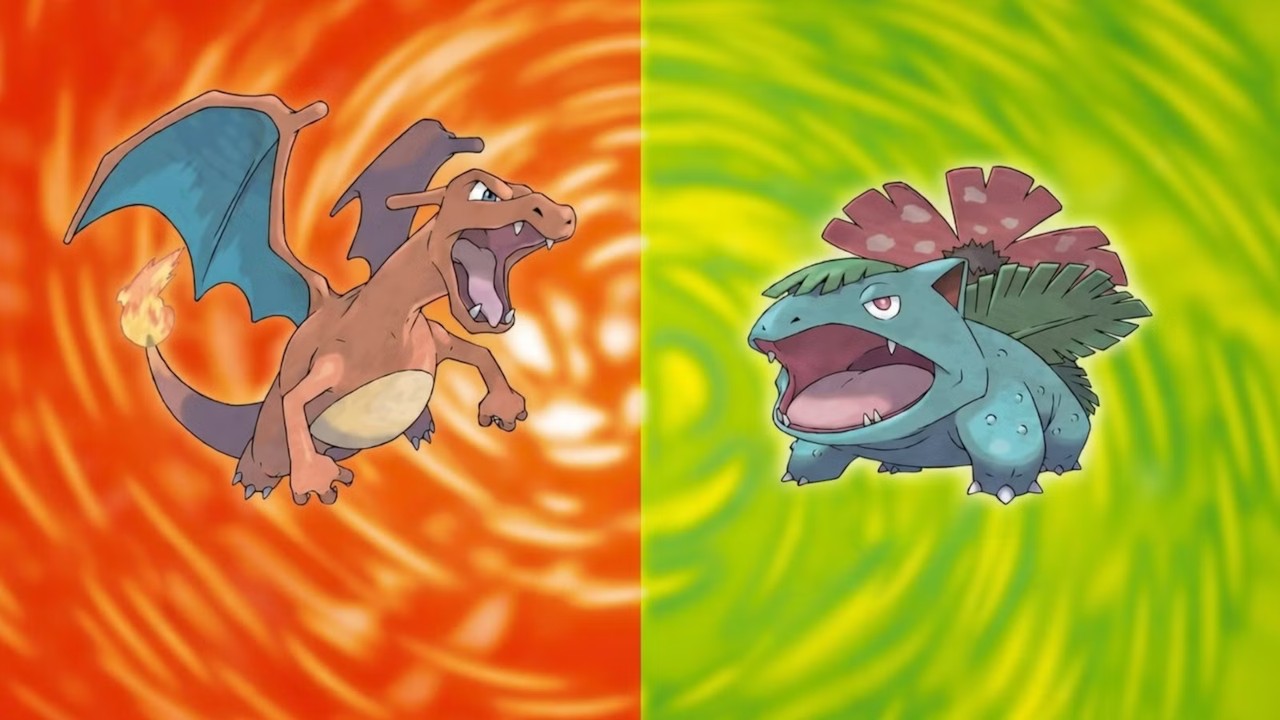
Whether you love or hate the modern Pokemon era, it’s safe to agree that Nintendo Switch has a huge selection of games in the series to pick from. You’ve got Pokemon Scarlet and Violet for open-world gameplay, Sword and Shield for a more classic and experimental experience, Legends Arceus for a whole new take on the franchise, and Brilliant Diamond and Shining Pearl if you want to be bored out of your mind. But now, for the first time in several years, Pokemon has made two of its legacy titles available – and available on Nintendo Switch for the first time ever. By this point, many of us are growing tired of Kanto – we have full-price Kanto remakes on the system already, even – so the thought of playing FireRed and LeafGreen again wasn’t hugely exciting to me, even as a huge Pokemon fan. 35 hours later, though, and it’s clear to me that these games really are the definitive versions of Kanto. Whether you’ve played these games before and are coming back for more, or if you’ve never really gotten into Pokemon and want a good place to start, FireRed and LeafGreen are great options.
As I mentioned a little bit earlier, and as we all know, Pokemon really loves Kanto. Each time Pokemon Day comes around, you’ll see all sorts of nostalgic tweets and the like for the original Game Boy games. And they were a huge achievement for their time – there’s a reason Pokemon has become such a cultural phenomenon – but these days, the fact is, the original titles are quite messy and dated. Thankfully, FireRed and LeafGreen are full remakes of the original, and the step up in quality here is frankly staggering. The graphics are what you’ll notice first; they’re clean and colorful, and while they’re not the best on GBA (that title goes to Zelda: The Minish Cap or Golden Sun), they get the job done. FireRed and LeafGreen released before I got into Pokemon, so I can’t speak to how these games felt when they first came out, but they must’ve seemed like ten steps forward compared to the Game Boy originals at the time. Along with the other GBA Pokemon titles, FireRed and LeafGreen have this simple, cozy vibe – no frills, no gimmicks, just pure Pokemon. Again, I’m not particularly nostalgic to this era of Pokemon games, but something about these two in particular just feels charmingly plain.
Something else you’ll notice about Pokemon FireRed and LeafGreen is that they’re much more challenging than modern Pokemon games. They’re not terribly difficult, of course, but many of the major battles will require you to plan out a strategy rather than just click super-effective moves. Some of the early Gym Leaders do require extra preparation, and the Elite Four winds up being an incredible challenge if you don’t grind levels. There’s also no Exp. Share, which means you’ll have to be more proactive about making sure all of your Pokemon get a chance to participate in battles or else they’ll fall behind. More importantly, however, there are actually dungeons. Pokemon Sword and Shield and Scarlet and Violet cut most of these, and for the most part let you heal up your Pokemon anytime and then continue exploring. That’s great and all, but FireRed and LeafGreen is home to multiple caves and tunnels that really wear your Pokemon down over time. You have to manage your items, Pokemon, and resources well to get through, which is a game element you don’t really see in modern Pokemon anymore.
Before I started playing these games, I was wondering if the Pokedex being limited to Kanto would hamper the experience. Indeed, FireRed and LeafGreen are third-generation games, which means all of Johto and Hoenn’s Pokemon are technically included in the games as well. But the main story completely locks you to Kanto Pokemon to a fault – if you have a Golbat waiting to evolve due to high friendship, for example, it never will until the postgame – you’ll have to sit through the evolution screen which fails every time it levels up. Likewise, you can’t obtain Espeon or Umbreon natively within the game due to a lack of a day and night cycle. This locking of non-Kanto Pokemon feels very artificial, and I don’t see why it had to be put in place at all. Though Pokemon Ruby, Sapphire, and Emerald currently aren’t available on Nintendo Switch, FireRed and LeafGreen have a whole quest at the very end of the game dedicated to unlocking trading with those titles. I’m not sure why these features were gatekept behind the postgame, but one thing’s for sure: a whole bunch of people are going to be confused when they do that quest, because the “reward” of trading with Hoenn titles is currently nonexistent.
Catching Pokemon to fill up the Pokedex has always been addicting, and the same is true in FireRed and LeafGreen. It is a little bit of a bummer that there are only Kanto Pokemon available – it makes sense given it’s a Kanto remake, but it would’ve been cool to have more variety available before the postgame. The postgame adds in a couple of Johto Pokemon for you to catch, but we’re talking only around ten or so. Some Pokemon, like Tauros and Chansey, are also extremely difficult to catch in these games – the Safari Zone is really tough to navigate for those unfamiliar, though it does create some funny (and sometimes frustrating) moments when the Pokemon you want to catch runs away. The Nintendo Switch releases of FireRed and LeafGreen also have two events built in that you receive after entering the Hall of Fame – the Birth Island Deoxys, which can be Shiny, and the event Ho-Oh and Lugia captures. These are very welcome additions, and I’m kind of surprised they weren’t advertised in the pre-release marketing.
The only other flaws FireRed and LeafGreen have are kind of a result of the generation. In generation 3 games, you can’t run inside buildings, which winds up feeling pointlessly slow when you’re trying to navigate big department stores and the like. A lot of Pokemon also have really, really bad movepools. A few examples: Pinsir learns 0 Bug-type moves, and Sandshrew’s first level-up Ground-type move is Sand Tomb at Level 45… and the Earthquake TM doesn’t come until you beat the 8th Gym Leader. Finally, while this is the best version of Kanto for sure (other than maybe HeartGold and SoulSilver), the region has always felt more like a big maze to me than an actual place inhabited by people. The number of ledges and cuttable trees really segment you into place within Kanto, and although there’s some freedom in which gyms you challenge when, I always felt like the region was set up kind of awkwardly due to all the artificial barriers impeding your progress. Not a huge deal, of course, but personally I like almost every other region better than Kanto in terms of design.
Then there’s the price tag, which in my opinion isn’t too bad. It’s $20 USD for one game, and I got between 35 and 40 hours out of it – and I’m not done. That’s more hours than I’ve gotten out of some full-price Nintendo Switch games, which is pretty much worth it in my opinion. Pokemon’s a very polarizing series – you probably already know if you’ll like it – so if you can see yourself playing this for 30 hours, then it’s definitely worth it. I do really think the re-releases needed online play, because there’s no way to finish the Pokedex without either having a real-life friend with a Nintendo Switch and the game or having two consoles and doing two playthroughs. Maybe in an update some day, but I’m not holding my breath!
What did you think of the Pokemon FireRed and LeafGreen remakes on Switch? Let us know in the comments down below.


