
Donkey Kong Bananza’s Emerald Rush is one of Nintendo’s best and most underrated DLCs
Posted on 4 weeks ago by Ethan Gnau in Features, Switch 2 | 0 comments
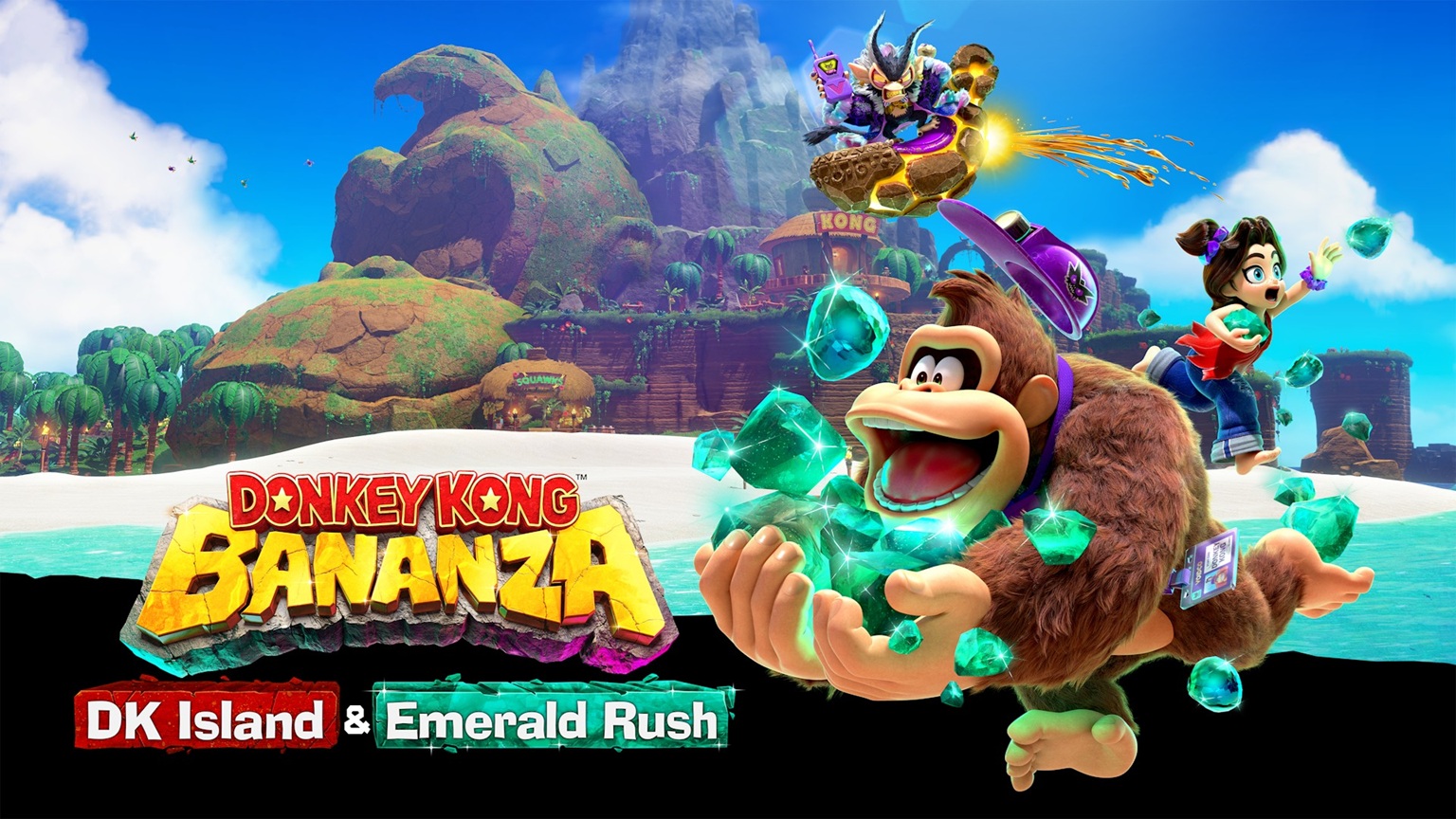
In this day and age, there are plenty of controversies surrounding video games – and it feels like there’s a new Nintendo-adjacent controversy every other day. To be fair, though, many of those controversies are valid – some recent ones that come to mind are Xenoblade Chronicles X: Definitive Edition’s poor upscaling on Nintendo Switch 2 and the sky-high prices for amiibo.
One Nintendo controversy that wasn’t justified in my opinion, however, was Donkey Kong Bananza’s DLC. When I reviewed Emerald Rush a few months ago, I had played the new mode for somewhere around 15 hours and wasn’t quite hooked. Nearly six months later, however, and that’s changed – I find myself going back to Donkey Kong Bananza every month or so to play the new in-game events. Super Mario Odyssey had a somewhat similar system with Luigi’s Balloon World, but that doesn’t compare to Emerald Rush at all – I remember a ton of balloons in Luigi’s Balloon World being placed out-of-bounds, so the mode wound up more like a showcase of game knowledge (including technical strategies and especially glitches). Emerald Rush, however, is where the bulk of Donkey Kong Bananza’s challenge lies. And it’s a very rare case of a 3D platformer that’s kept me coming back six months later without replaying the story from the beginning.
Nintendo’s recent Metascores aren’t a big deal – here’s why
Posted on 4 weeks ago by Ethan Gnau in Features, Switch 2 | 0 comments
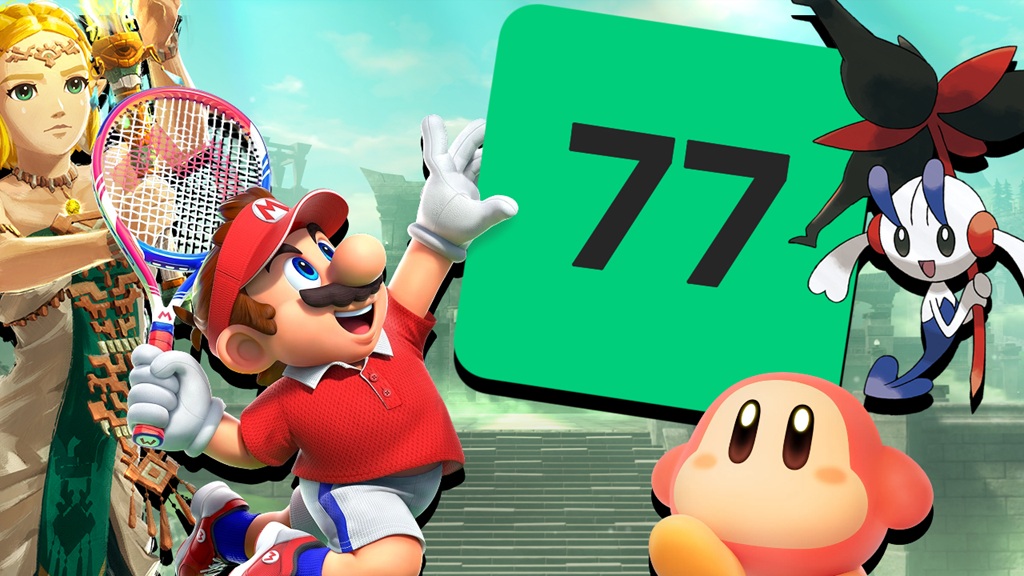
I’ve been having a very unproductive debate with myself lately: are video games getting worse, or are we all just getting older? When I was a kid, every video game was awesome. Super Mario Galaxy was awesome. Super Smash Bros. Brawl was awesome. Wipeout on the Wii was awesome too, even though objectively it’s not even in the same category of quality. Prior to Pokemon Pokopia’s strong reception, Nintendo has been met with some criticism on social media for releasing several games in a row that didn’t get an 80 or higher on Metacritic. It was 79 for Kirby Air Riders, 78 for Metroid Prime 4, 78 for Pokemon Legends: Z-A, 79 for Hyrule Warriors: Age of Imprisonment, and 77 for Mario Tennis Fever. Of course, though, Metascores aren’t everything – it’s actually pretty difficult to give a game an objective numbered ranking, and I’m saying that as someone who reviews a good number of games.
So today, we’re not only talking about the four games in question, but of review scores, Metascores, and opinions of video games in general. Are Nintendo’s newest four titles actually undercooked, or do we lose a sense of wonder, enjoyment, and appreciation as we get older? Probably mostly the latter, if we’re being honest, but let’s discuss anyway.
More: highlight, Metacritic, top
The most surprising mispronounced Pokemon names
Posted on 4 weeks ago by Ethan Gnau in Features, General Nintendo | 0 comments
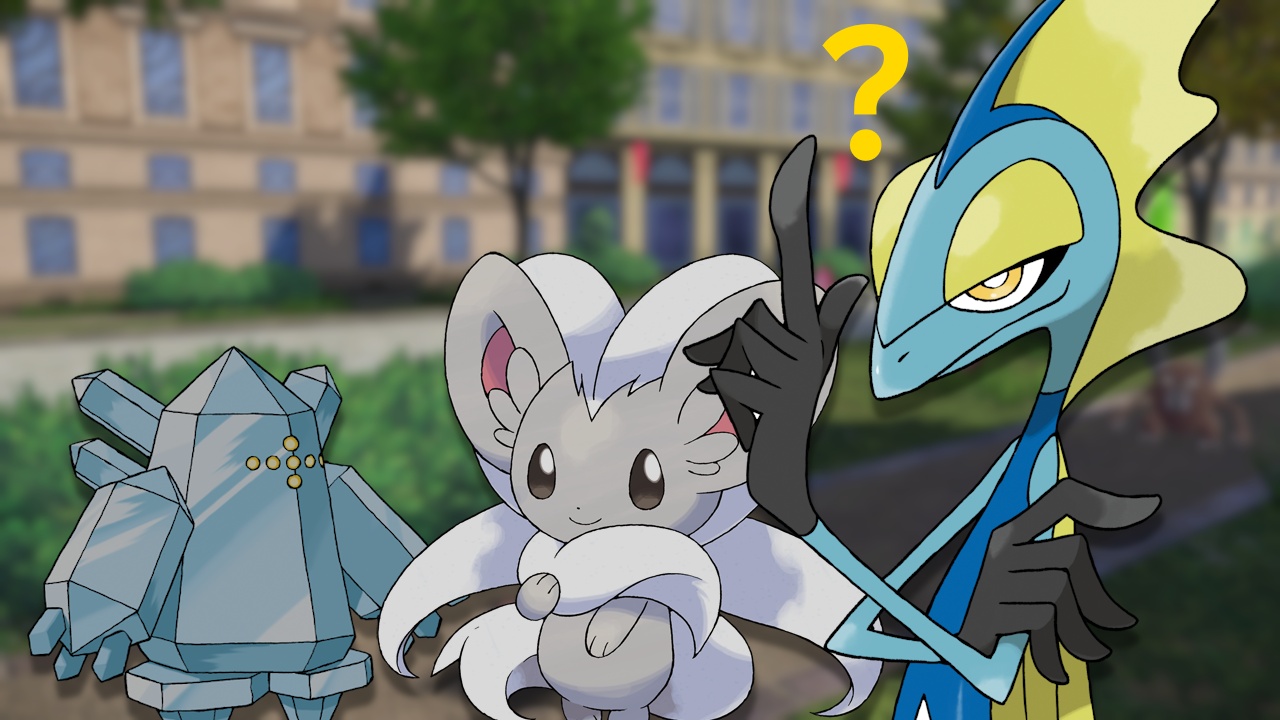
Today, we’re going over a list that includes more commonly-mispronounced Pokemon names. Some of them are particularly surprising!
During the 2025 Pokemon World Championships event, the official Pokemon Twitter account put out some commonly-mispronounced Pokemon names. And it makes sense why people pronounce some of them wrong: the games don’t have any voice acting, so for the most part players don’t hear the names of creatures spoken out loud unless someone brings them up in conversation. Even then, it’s very easy to accidentally pronounce them wrong or put emphasis on the wrong syllable.
Safari Zone guide for Pokemon FireRed and LeafGreen
Posted on 1 month ago by Ethan Gnau in Features, GBA, Switch, Switch 2 | 0 comments
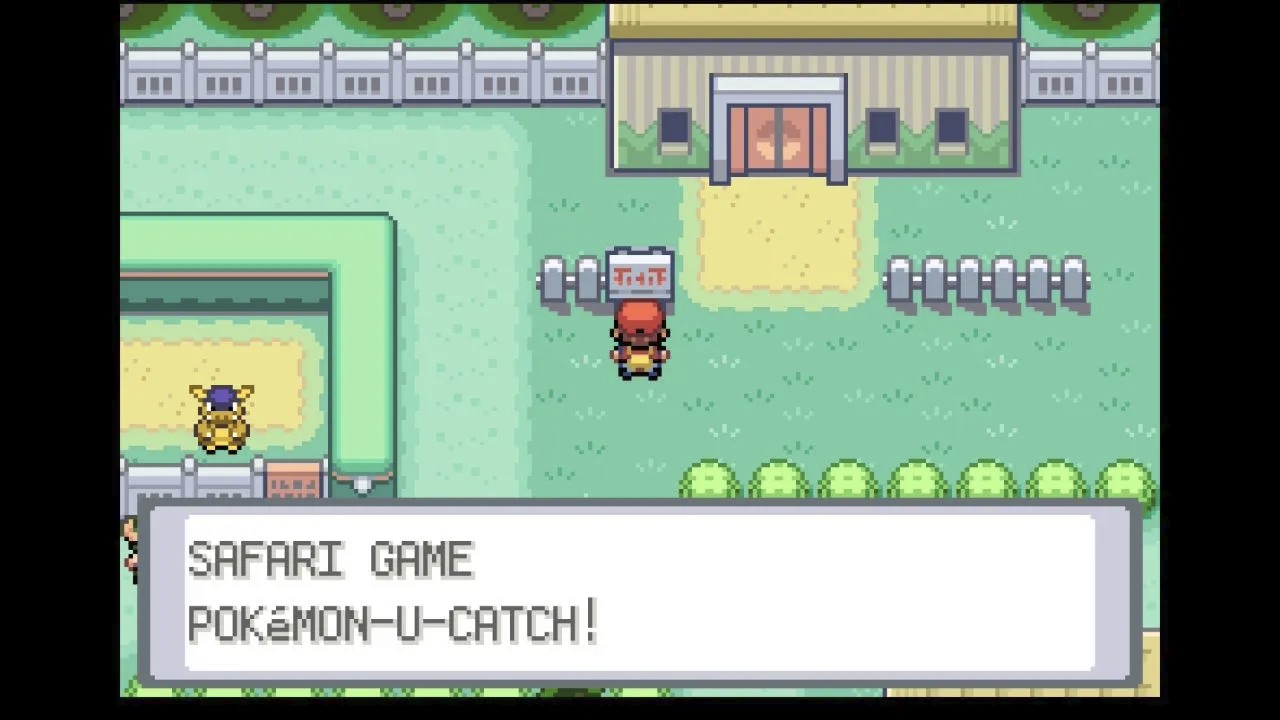
With Pokemon FireRed and LeafGreen coming to Nintendo Switch, we have a dedicated guide for the Safari Zone.
The Safari Zone is its own unique brand of evil. It’s home to Chansey, Kangaskhan, and Tauros, who cannot be found via any other means. Scyther appears here in FireRed, as well as Pinsir in LeafGreen, though they can also be purchased as game corner prizes in Celadon City. There’s also Dratini and Dragonair, which can be fished up with the Super Rod. All of these Pokemon are difficult to catch – if you don’t know this already, the Safari Zone prevents you from weakening wild Pokemon with paralysis or sleep, which would normally make catching them much easier. Wild Pokemon also love to run away – for instance, I spent well over 6 hours catching all of these rare Pokemon just today. Here’s everything we learned about the best ways to catch rare Pokemon in the Safari Zone.
Best Pokemon games of all time, ranked from best to worst
Posted on 1 month ago by Ethan Gnau in 3DS, DS, Features, Switch, Switch 2 | 0 comments
Today, we’re going over the best Pokemon games of all time – more specifically, the top 10 main series Pokemon games. The list has been updated for March 2026 since its original publish date in 2024 in celebration of the series’ 30th anniversary. Spin-offs don’t count for this particular list, but there are definitely plenty of those that are more than worth playing in the modern day. New Pokemon Snap and Pokemon Mystery Dungeon are some commonly-acknowledged highlights.
The Pokemon series is, in a way, difficult to write about. At present, the series isn’t quite in a lull, per se, but it’s also most certainly not at its peak. Developing games is difficult, and for a never-ending media franchise like Pokemon, deadlines can be tough to meet. Over the past few years, titles like Sword and Shield and especially Scarlet and Violet have drawn criticism for several reasons. Though the design quality of individual Pokemon has remained strong, things like the graphics, performance, and postgame content have become somewhat inconsistent. This leads us to ask: what do you think are the best Pokemon games of all time? We’ve made our own list, so be sure to let us know your thoughts in the comments below.
More: Game Freak, highlight, Pokemon, top
Nintendo’s new approach to amiibo: expensive premium figurines
Posted on 1 month ago by Ethan Gnau in Features, General Nintendo, Switch 2 | 0 comments
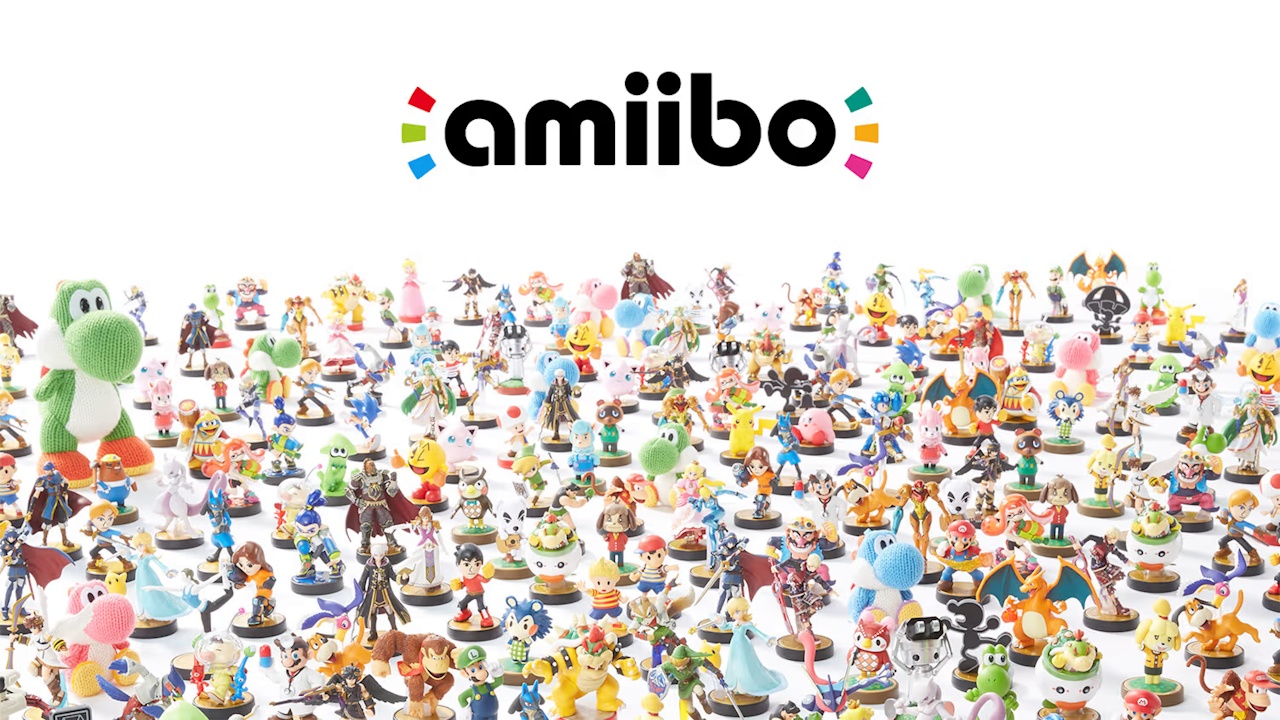
On the surface, things haven’t been particularly easy for amiibo as of late. Last year, the line did celebrate its 10th anniversary, which is a pretty big milestone for toys-to-life: they’re usually long discontinued by the time by that point. Still, that doesn’t necessarily mean amiibo are doing better than ever – it’s kind of the opposite, in fact. When they first launched in late 2014, each amiibo figure cost $12.99 each. They were marketed as affordable statues and add-ons to games – these bonuses were fairly inconsequential for the most part (but Super Smash Bros. amiibo training is still surprisingly deep), and if you didn’t want to spend the money on each figure you didn’t have to.
Recently, Nintendo upped the general price of new amiibo figures to $24.99 – $34.99 each. Of course, these are much more detailed than the original $12.99 amiibo that released in 2014, but it’s a steep bump nonetheless. Furthermore, the prices of all older amiibo were increased to $19.99 each. That means characters who were originally released for $12.99 now cost $19.99 without any significant increase in quality. Even if there were an increase in quality, this price bump puts amiibo out of range for most collectors. And yet, despite these price troubles, Nintendo announced a boatload of amiibo in the September 2025 Nintendo Direct. In my opinion, this marks kind of a doubling down of sorts – rather than going the amiibo card route like we previously suggested, Nintendo is doubling down on making amiibo into figurines of the highest possible quality.
Best Pokemon in Legends Z-A’s Season 7 Ranked Battles
Posted on 1 month ago by Ethan Gnau in Guides, Switch, Switch 2 | 0 comments
We’re back again with another list of the best Pokemon in the current season of Pokemon Legends: Z-A’s ranked battles, this time for season 7. Unfortunately, this season is almost certainly the worst one yet.
This time around, you can use two restricted Legendary Pokemon on your team of three, and you can use as many Mythical Pokemon as you want. In previous seasons, there was a triangle of top Pokemon – you had Garchomp at the very top, Glaceon to counter it, and Steel-types to dispatch Glaceon as well as Fairy-types. In season 7, though, it’s all legendary spam. Every team is using two Legendary Pokemon, which means the power charts are through the roof. If you’re trying to go for the Consummate Gamer title, this season is nigh unviable because almost everything is going to KO you in a single hit.
More: Game Freak, Pokemon Legends Z-A
These Nintendo franchises would make great Warriors-style games
Posted on 1 month ago by Ethan Gnau in Features, General Nintendo | 0 comments
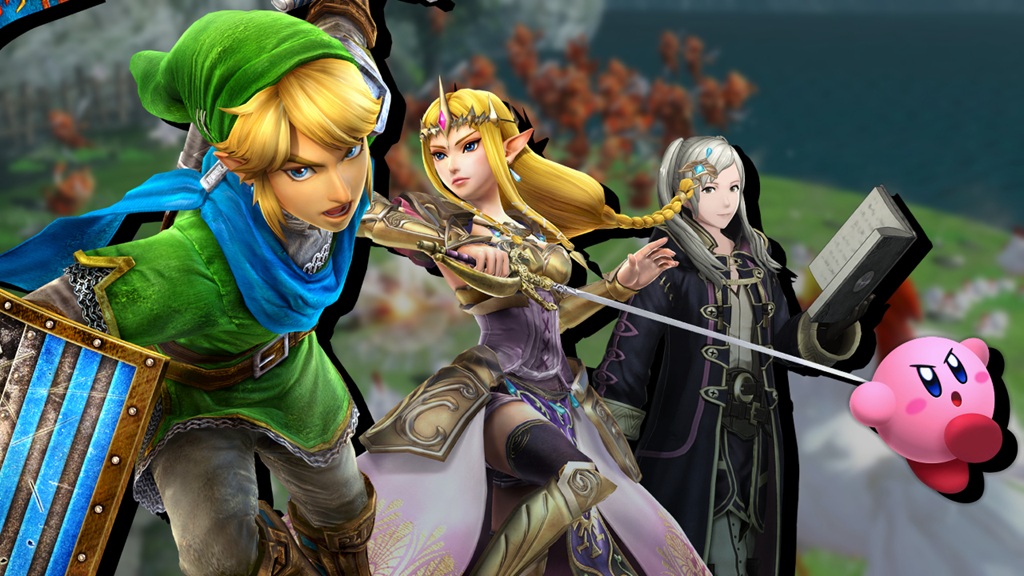
Warriors-style games aren’t for everyone – but clearly, there is still plenty of enjoyment to be found because we’ve gotten a rather steady stream of them over the years. These titles were generally developed at least in part by Omega Force, which is a subsidiary of Koei Tecmo. Their first large-scale collaboration with Nintendo was Hyrule Warriors in 2014, and as you can guess, it went over well – so much so, that it spawned a 3DS port, an enhanced version for Nintendo Switch, and numerous sequels. Most recently, we received Hyrule Warriors: Age of Imprisonment on Nintendo Switch 2.
But there have been a few other big Warriors-style games – Fire Emblem is the other big one, and it has received two unique games so far (not counting ports and such). There’s also Persona 5 Strikers, which doesn’t have much to do with Nintendo, but it’s another example of a major franchise that has its own Warriors “spin-off” (in quotations because Strikers isn’t really a spin-off). We now know that these games are very successful, which means we’ll be seeing more in the future. Zelda Warriors games are great, but how many of them can we get before we need a little break? Here are some Nintendo franchises we’d like to see turned into Warriors games.
Physical vs. digital games on Nintendo Switch 2 – advantages and disadvantages
Posted on 1 month ago by Ethan Gnau in Features, Switch, Switch 2 | 0 comments
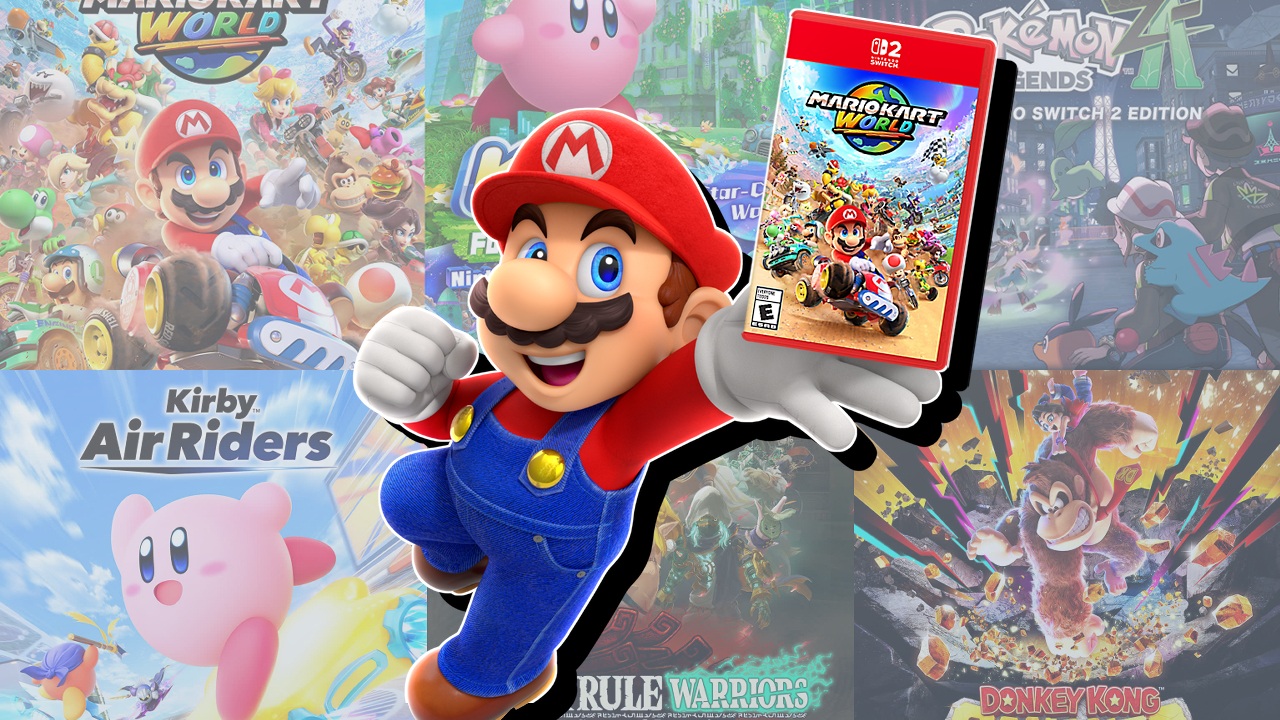
It’s 2026, and with each passing year, physical media is phased out just a little bit more – which is why it’s so important that we try to preserve it! Of all three major video game companies, Nintendo has generally made the best effort to preserve its own physical media – with just one exception. Indeed, despite rising manufacturing costs, most of Nintendo’s first and second party offerings are available physically on Switch 2 with no strings attached. And even though that should be kind of a baseline expectation at this point, it’s refreshing to see at least some companies trying to sell physical media. So today, we’re talking about the advantages and disadvantages of physical and digital media, and of course going over the dreaded Game-Key Cards while we’re at it.
Mario Tennis Fever review for Nintendo Switch 2
Posted on 1 month ago by Ethan Gnau in Reviews, Switch 2 | 0 comments
System: Switch 2
Release date: February 12, 2026
Developer: Camelot
Publisher: Nintendo
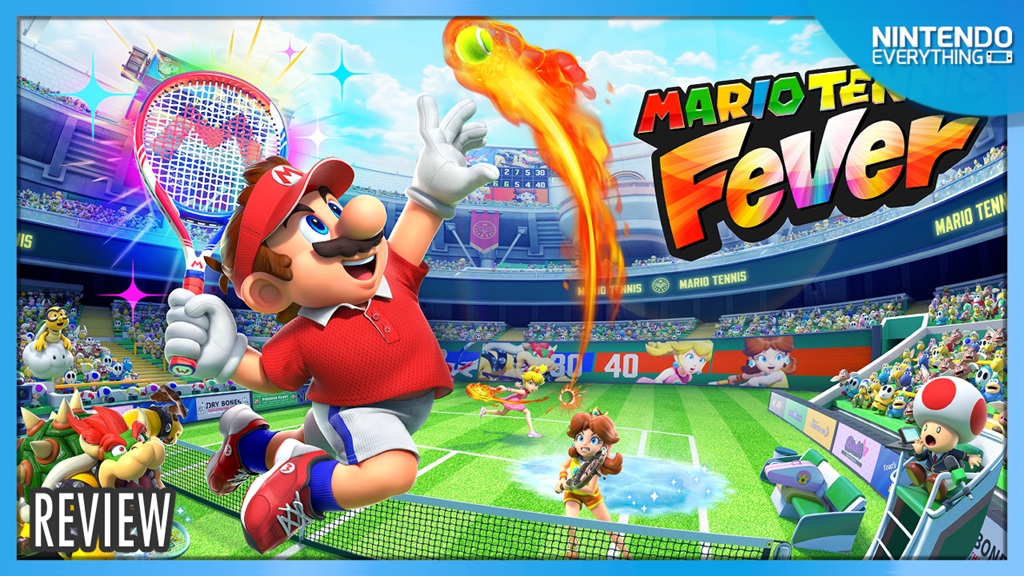
In many ways other than the obvious, Switch 2 has marked a new era of sorts for Nintendo. The Switch generation, while no doubt one of the company’s greatest, had its fair share of flaws – and one of those flaws was its lackluster sports games. Time and time again, we saw Nintendo-published sports outings launch with minimal content, receive free updates for a few months, and then fizzle out and fade from conversation. This issue reached a boiling point with Mario Strikers: Battle League, which had solid core gameplay, but next to no content to speak of. Mario sports have been pretty quiet since then, but now we’ve got another new entry in the Mario Tennis series with Mario Tennis Fever on Nintendo Switch 2. This title promises all sorts of chaotic tennis action, and it most certainly delivers on that promise. But how does it hold up in other areas?


